Cotton is a long-duration, input-intensive crop with a volatile market. It rewards attentive management and punishes neglect, and the difference between a well-managed and poorly managed cotton field is larger than in most crops.
Sowing and Spacing
Cotton spacing depends on variety, soil fertility and whether the crop is irrigated or rainfed. Get the recommendation for your specific hybrid and conditions from your KVK — spacing that suits a fertile irrigated field will produce excessive vegetative growth on one hand or wasted space on the other.
High density planting systems with closer spacing and shorter-duration varieties are used in some regions and are worth discussing with your extension officer if you are on light soil.
- Sow into adequate moisture — poor germination in cotton is expensive because gaps persist all season
- Treat seed as recommended
- Maintain uniform plant stand; gap fill early if germination is patchy
Nutrient Management
Cotton is a heavy feeder over a long season, so nitrogen is applied in splits rather than as a single basal dose. Applying too much nitrogen, particularly late, produces excessive vegetative growth, delays boll opening, and makes the crop more attractive to sucking pests.
Potassium matters for boll development and fibre quality. Magnesium and boron deficiencies occur in some soils and show as specific symptoms your extension officer can identify.
Apply based on soil test results.
Water
Critical stages are flowering and boll development. Water stress at these stages causes square and boll shedding, which is the visible symptom farmers usually notice.
Cotton also suffers from waterlogging. On heavy soils in high-rainfall areas, drainage matters as much as irrigation.
Drip irrigation suits cotton well because of the wide row spacing, and fertigation through drip improves nutrient use efficiency substantially.
Pink Bollworm
This pest has become the dominant problem in Indian cotton after developing resistance to the Bt toxins. Managing it requires a set of practices, not a spray.
What works
- Follow the recommended sowing window. Staggered and late sowing extends the season and lets pest populations build across the region. This is a community problem — coordinated sowing timing in an area works far better than individual effort
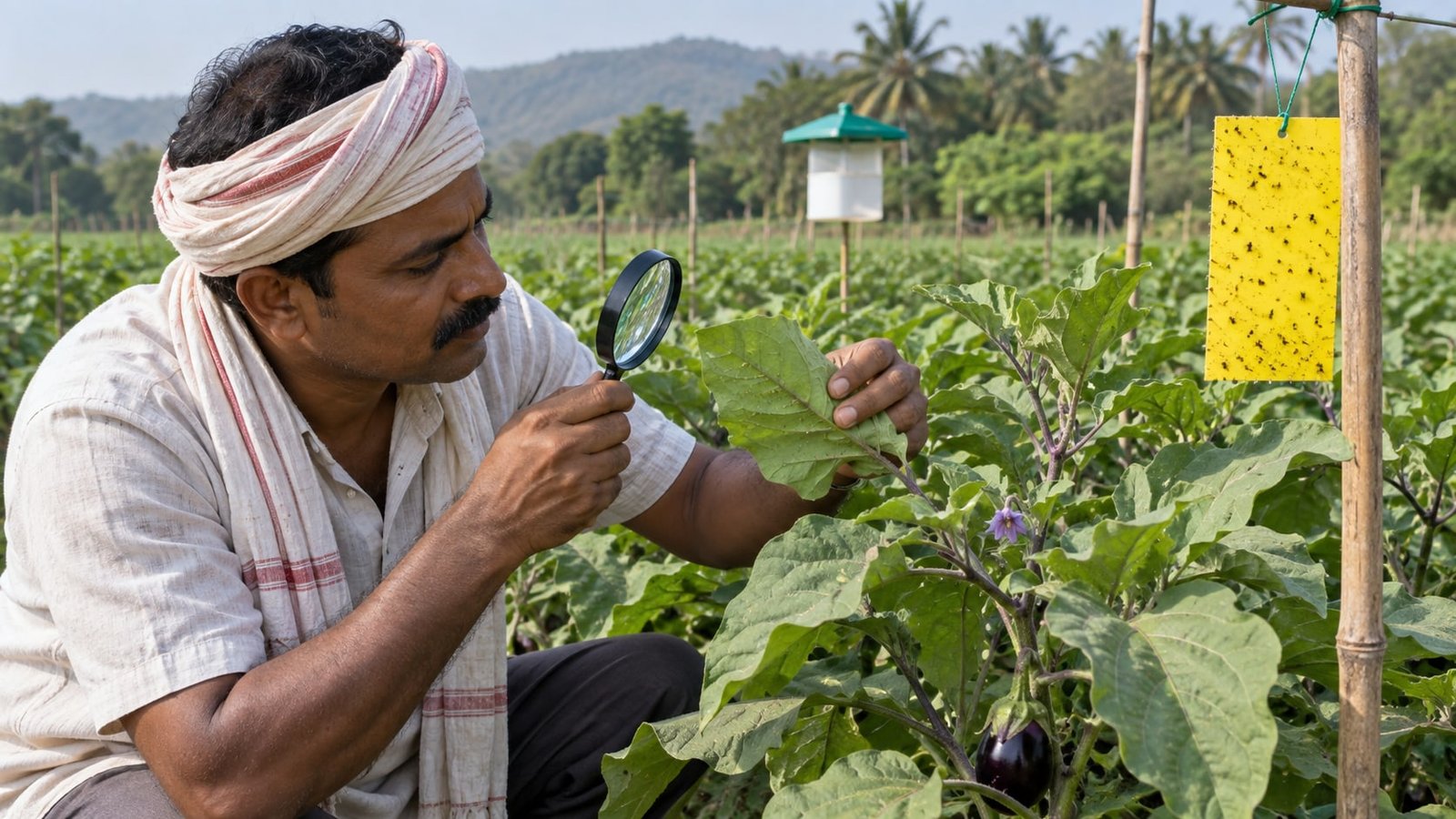
- Pheromone traps from the square formation stage to monitor moth activity and time interventions
- Destroy crop residue promptly after final picking. Larvae overwinter in leftover bolls and stalks. Uprooting and destroying stalks breaks the carryover cycle
- Do not extend the crop. Keeping cotton standing for a late extra picking maintains a host bridge into the next season. The extra picking earns less than the following year’s damage costs
- Remove and destroy rosette flowers — flowers that fail to open properly, which indicate larval presence inside
- Check bolls by opening a sample regularly. Damage is internal and invisible from outside
Chemical control alone has repeatedly failed against this pest. The cultural practices above, particularly residue destruction and sowing window discipline, are what actually reduce pressure.
Sucking Pests
Aphids, jassids, thrips and whitefly attack the crop, particularly in the early stages. Broad-spectrum spraying against them destroys natural enemies and frequently triggers whitefly outbreaks later.
Yellow sticky traps for monitoring, threshold-based decisions, and selective products where spraying is justified are the practical approach.
Picking Determines Your Price
This is where a good crop is often sold badly.
- Pick only fully opened bolls. Immature cotton has poor fibre quality and drags down the whole lot
- Pick in dry conditions, after dew has cleared. Damp cotton develops staining and yellowing
- Keep it clean. Leaf trash, soil and stalk pieces reduce the grade directly
- Use cotton cloth bags, not synthetic sacks. Synthetic fibres contaminate the lint and are a known problem for spinning mills. This single practice affects your grade
- Pick in multiple rounds as bolls open rather than waiting for all of them
- Keep first and later pickings separate — quality differs, and mixing pulls the better cotton down to the grade of the worse
Buyers assess on staple length, trash content, moisture and colour. Three of those four are affected by how you pick and store.
Storage Before Sale
Store picked cotton in a dry, clean, covered space away from moisture and contamination. Do not store on bare ground. Do not mix grades.
After Final Picking
Uproot and destroy the stalks. Do not leave them standing, and do not allow a ratoon or extended crop. This is the most important single practice for managing pink bollworm in the following season, and it only works if neighbouring farmers do it too — which makes it worth discussing collectively.
Varieties, spacing, sowing windows and pest management recommendations vary substantially by region. Consult your Krishi Vigyan Kendra for local guidance and follow label instructions on any product applied.